Recently, John Legend tweeted that he was about to perform with the hip-hop group The Roots and threw out the term �hip hop soul.� Fascinated, I tried to think of some sexy, academic way to place this term in our current state of hip-hop culture. I got nothin�.
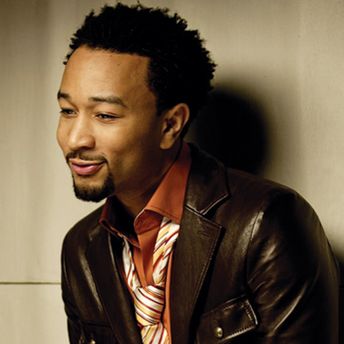
Well, almost nothing. Legend�s blending of rap and Soul music speaks to an attempt to bridge generations. It also seeks to address how memory is shaping contemporary black music and identity.
Black music has long been a gauge of the temperament and social trauma afflicting African Americans. Often it eased, uplifted, and re-enforced the African American spirit.
Here�s an abbreviated walk through:
Black music�s complex formula of intertwining agency and aesthetics is especially prevalent in its trajectory. Negro Spirituals, for example, reflected the fusion and critique of Anglo-Christian theology with slave culture. Using the Biblical Old Testament and, more specifically, the book of Exodus, slaves coded messages of escape and disdain through their communal singing.
Marvin Gaye�s �Inner City Blues,� Curtis Mayfield�s �Freddie�s Dead,� and Bobby Womack�s �Across 110th Street� are only a sampling of the soundtrack that mirrored the struggle and frustration echoed by blacks in the turbulent 1960s and 1970s. Soul�s integration into mid 20th century black life is a fascinating journey. It gave voice to the grittier aspects of the African American experience that gospel music often attempted to ameliorate or overlook.
Soul music made space for hip-hop, reflecting a change in generational observations about similar social ills that afflicted their predecessors. Any suppressed anger left over from the Black Power and Civil Rights Movements extrapolated in rap narratives.
Read Complete Essay at NEWSONE

0 Comments